If you are following nutritional trends or just chatting with family and friends, you may have realized that protein is having its moment….
Teenage boys want to build muscle...
Patients on semiglutides need to work to keep muscle and not lose muscle too quickly...
Menopausal women are starting to realize the importance of dialing up their daily totals...
We all want to keep our blood sugar stable...
We all have our own protein goals and needs...
Protein is an essential macronutrient that every cell inside your body needs in order to function properly. But are you getting enough for your particular needs?
Getting enough protein is vital for supporting metabolic health, boosting satiety, improving gut health, stabilizing blood sugar, promoting neurological processes, and of course, building muscle.
The current recommendation for protein intake is 0.36 grams per lb (.08 per kg) of body weight per day. I would say this is more of a baseline than an optimal amount.
Factors like age, physical activity, recovery (from an injury or illness), and health goals influence how much protein you should be aiming for.
I often recommend higher protein intakes than the current RDA gives, especially for men and women who don’t want to lose muscle mass, older populations, and physically active individuals. These groups should aim for 0.7 – 1g per lb (1 – 1.2g per kg) of body weight.
How you distribute your protein throughout the day can be just as important as how much you are getting. Here are some key takeaways to make sure you get enough:
- Use protein powders to help fill the gaps
- Have adequate protein at every meal to reach your daily goal
- Eat protein-rich snacks
- Incorporate hemp, chia, or flaxseeds to add extra protein
- Have protein after strength workouts
Easy sources of protein:
- Beef
- Chicken
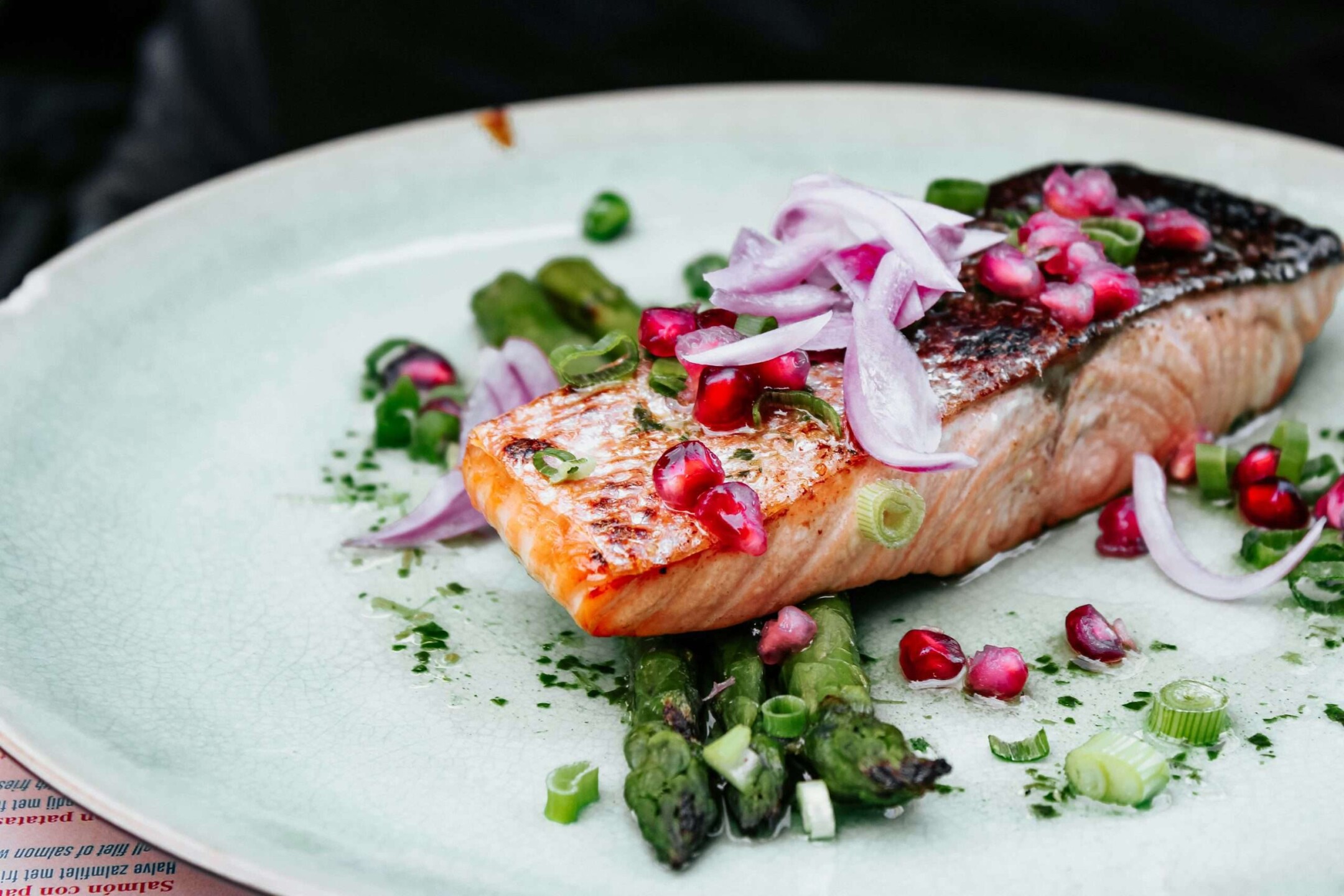
- Fish
- Tofu
- Cottage cheese
- Greek yogurt
- Eggs
You probably get a lot more protein from “non-protein” sources than you’d expect. Lots of foods that you eat often have protein – even leafy greens, nuts, sweet potatoes, and artichokes.
But still, it may not be enough for what you need. An easy way to boost protein is to add protein powder or collagen to your smoothie, yogurt, or even baked goods.
Most plant proteins are considered “incomplete” – meaning they are missing at least one essential amino acid. However, eating multiple plant proteins together can create the effect of complete proteins. If you follow a vegan or vegetarian lifestyle, you will want to pay attention to your protein intake and make sure you are getting what you need.
How much are you getting? Is it enough?
A good idea is to pick a typical day and track your protein – add up your grams and see what you end up with. Depending on your current health metrics and goals, you can determine if your current intake is providing you with what you need to achieve your optimal levels.