For anyone trying to avoid gluten, rice can be a good substitute as a main source of carbohydrates. So, how can we eat it?
As someone from Japan, I would like to introduce several ways Japanese people consume rice:
TKG
Tamago Kake Gohan (TKG), meaning rice with a raw (uncooked) egg, and is one of the most common breakfasts in Japan (we like to add a few drops of soy sauce). However, do not try to do this outside of Japan because eggs in Japan are the least contaminated by salmonella. If eating outside of Japan, make sure to cook the eggs.
NATTO
Natto is fermented soy that many Japanese love to eat with rice. It is often eaten daily in Japan for breakfast as a good source of protein and probiotics. Other foods with probiotics, such as yogurt, sauerkraut, and cottage cheese, while good for gut health, don’t pair as well with rice.
KIMCHI
Kimchi is fermented vegetables, like Napa cabbage or radish, and a popular Korean side dish. It is spicy and savory, and enjoyed with rice by many Japanese people. As it is fermented, Kimchi is beneficial for your gut health.
As seen in the examples above, rice fits well with savory dishes. While finding access to things like raw edible eggs or Natto could be a challenge, local supermarkets will offer Kimchi and Sauerkraut.
To conclude, I would like to introduce how you can easily enjoy in the United States:
Rice Bowl (Donburi)
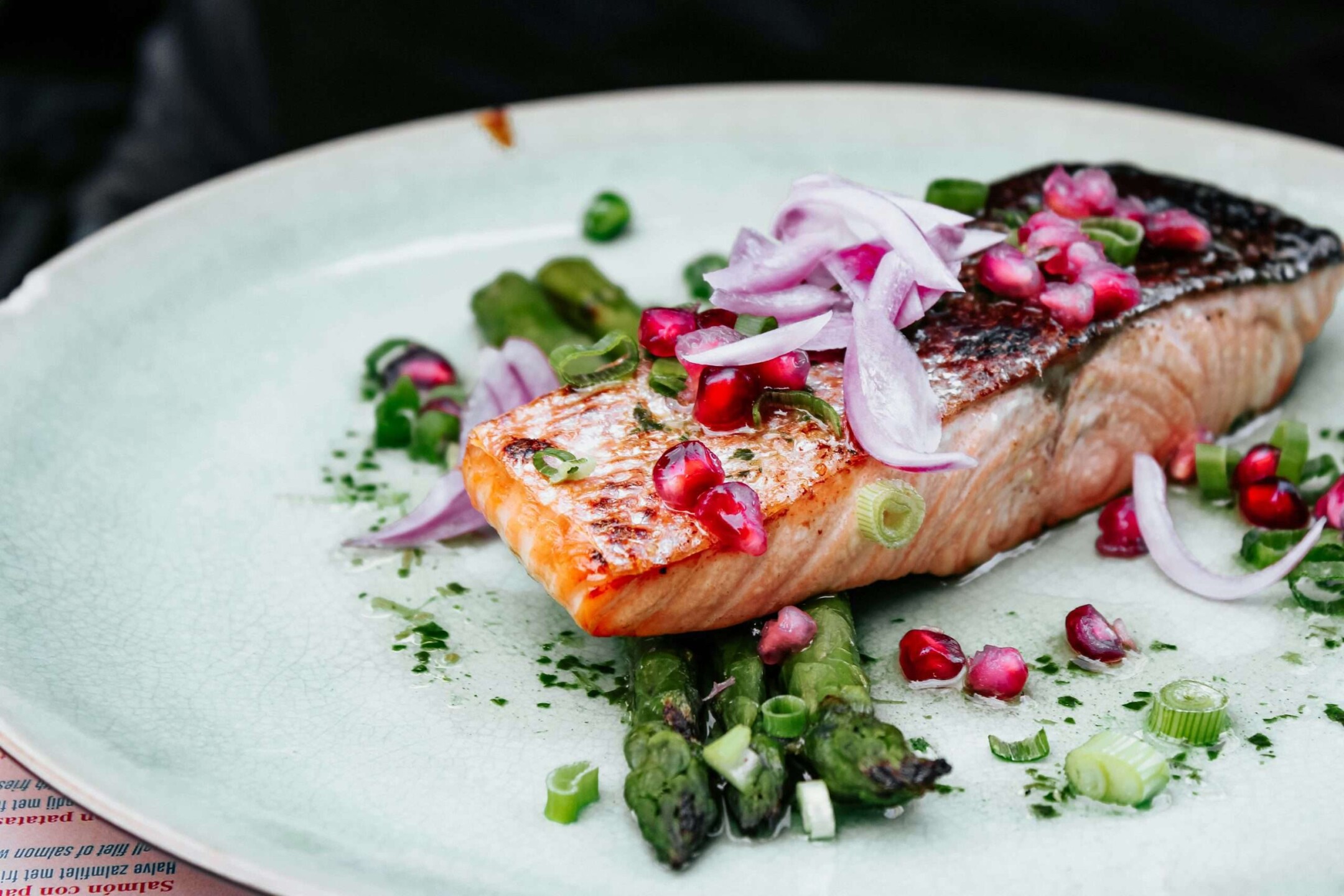
As a simple method, construct your bowl with your favorite vegetables and protein of your choice (fish, chicken, beef, tofu, etc.). You eat with your eyes…add some colorful vegetables, such as beets, carrots, or avocados, to your brown or white rice for an enticing bite. Tasty additions could also include marinated vegetables or dressings such as soy sauce or Tahini. Make it yours!